Growing herbs is a perfect entry point into gardening—and basil makes an ideal first choice. It’s flavorful, versatile, and incredibly rewarding: basil provides its first harvest just about a month after planting, and continues producing fresh, fragrant leaves for up to 160 days. Plus, basil is as beautiful as it is tasty, with vibrant varieties ranging from bright green to deep purple and burgundy, making it a stunning addition to garden beds or container gardens alike.
In this guide, you’ll learn how to choose the right basil variety for your taste and gardening space, successfully grow robust plants from seeds, provide optimal care, and enjoy abundant harvests throughout the growing season.
Where Can Basil Grow?
Basil is typically grown annually because it is sensitive to frost. It thrives best in regions with warm temperatures above 55ºF from May to October, covering USDA hardiness zones 4-11. In cooler climates, basil can be grown indoors or in a greenhouse. In warmer climates, basil can grow successfully year-round and often reseeds itself.
- Choosing the Right Basil Variety
- How to Grow Basil Indoors from Seeds
- Growing Basil Outdoors
- What to Expect After Planting: Basil Growth Stages
- Ongoing Outdoor Basil Care
- Companion Plants for Basil
How to Grow Basil
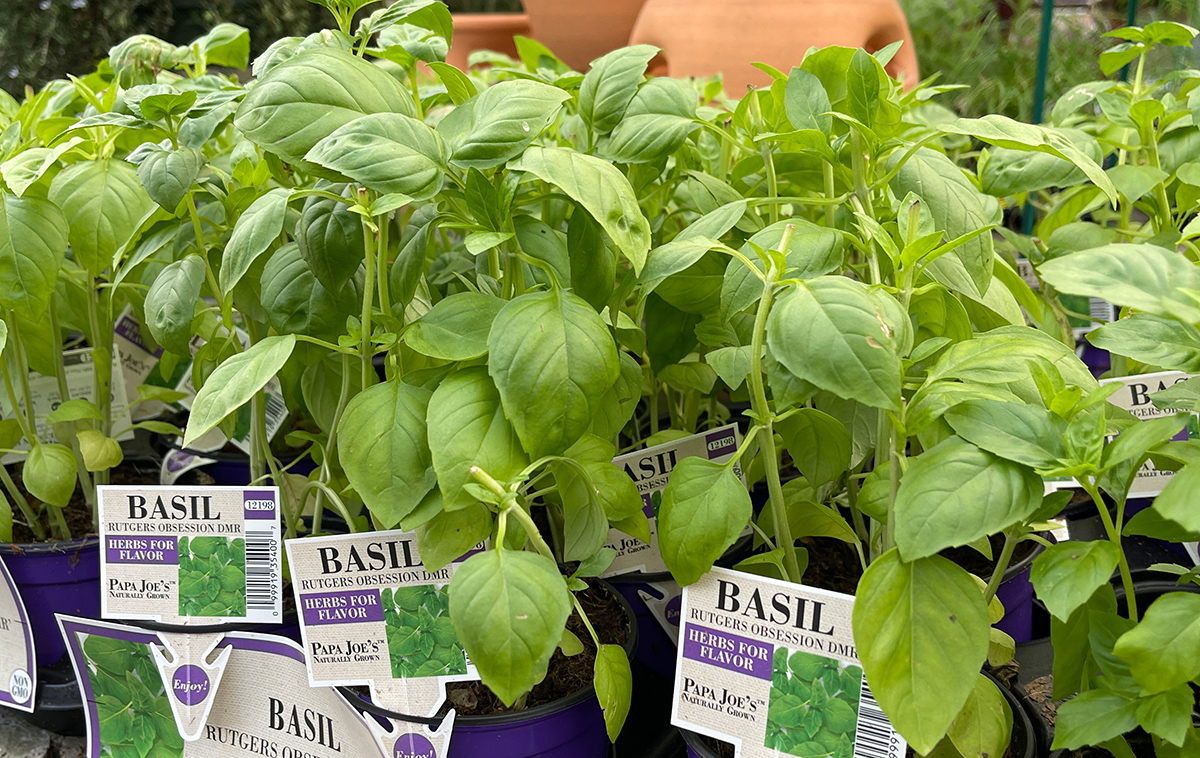
Growing basil from seed gives you stronger, healthier plants compared to store-bought seedlings, which often struggle due to weaker root systems. Whether you’re gardening in containers or planting directly in your garden bed, starting with seeds is easy, economical, and rewarding.
Choosing the Right Basil Variety
Selecting a basil variety depends on your taste preferences, desired leaf color, and aroma, as well as your growing method. For instance, dwarf basil varieties are perfect for windowsill gardens, while varieties with red leaves are often chosen for their decorative appeal.
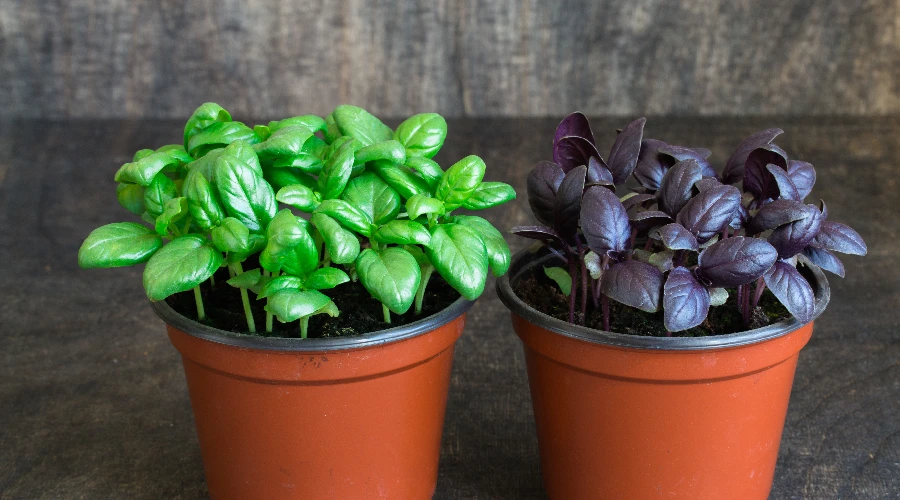
- Purple Basil
Purple basil has leaves that can be a deep, almost black color. It is particularly rich in essential oils, making it a popular choice for both cosmetics and culinary uses.
- Green Basil
Green basil varieties have a unique, delicate aroma. Young leaves are best for culinary use because they are tender and lack the tough veins and slight bitterness found in older leaves.
| Basil Variety | Short (up to 15 inches) | Medium (up to 20 inches) | Tall (up to 40 inches) |
| Green Basil | |||
| Purple Basil |
|
How to Grow Basil Indoors from Seeds
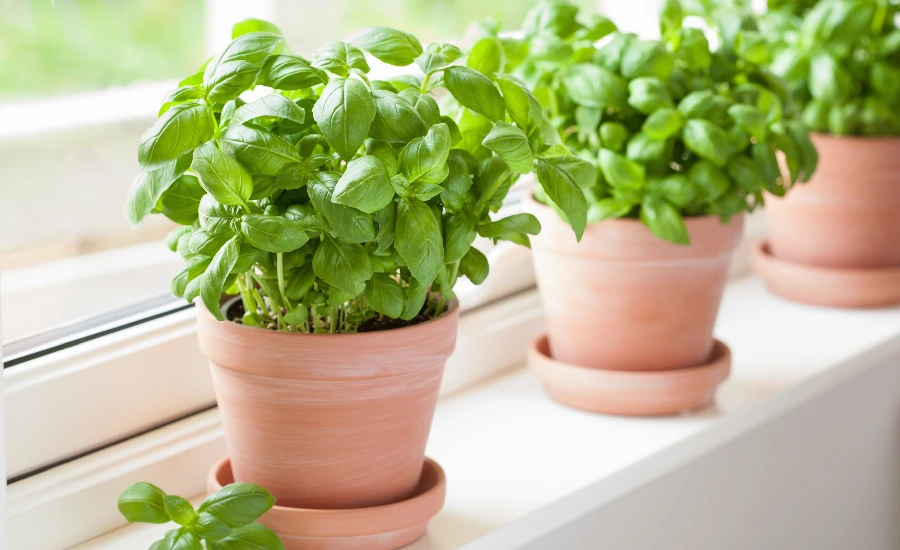
Growing basil indoors is easy and rewarding—if you start with the right setup. After more than a decade of growing basil, I’ve found that success largely depends on good containers, proper soil, and a straightforward planting process.
What You Need
- Containers
Choose deeper containers (at least 6–8 inches deep) with drainage holes. My favorites are standard nursery pots, terra cotta pots, or recycled containers like yogurt cups with drilled holes at the bottom.
- Soil
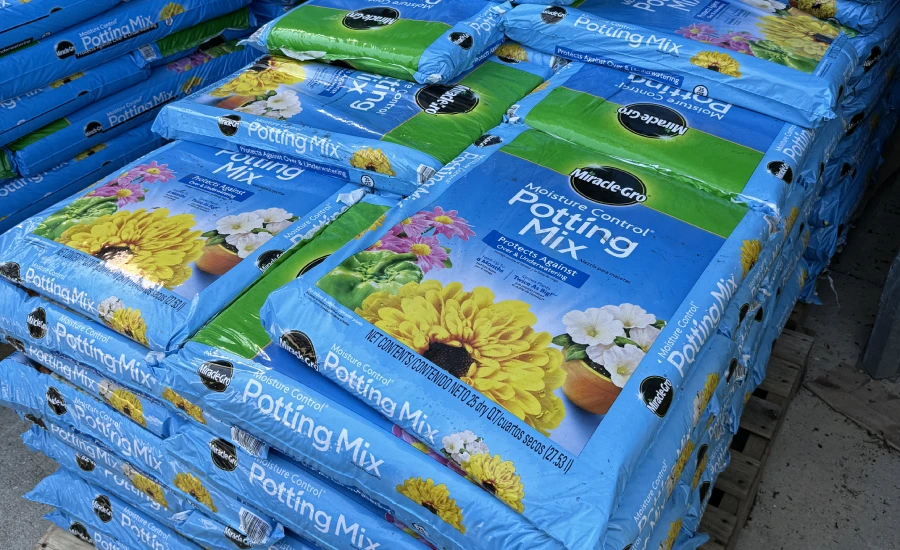
Use a lightweight, fertile potting mix like Miracle-Gro Indoor Potting Mix or Espoma Organic Potting Mix. Avoid dense garden soil—it won’t drain properly and could cause root rot.
- Seeds
Check expiration dates, and ensure packets are sealed to guarantee good germination rates.
When to Plant
Start seeds indoors about 3–4 weeks before your area’s last expected frost date. To have continuous fresh basil, plant small batches of seeds every few weeks.
Step-by-Step Guide to Planting
Prepare the Container
- Place a ½–1 inch layer of coarse gravel or small pebbles at the bottom for drainage.
- Fill the container to about an inch below the rim with potting mix.
Moisten the Soil
- Use a spray bottle or gentle watering can to moisten the soil evenly—it should feel slightly damp, not soaked.
Plant Your Seeds
- Sprinkle seeds evenly, leaving about an inch of space between them to prevent overcrowding.
- Lightly press seeds into the soil surface using your fingertips.
- Cover seeds with a thin layer (about ¼ inch) of sifted potting mix.
Water Gently Again
- Mist the surface gently to moisten the top layer without displacing the seeds.
Provide Ideal Conditions
- Keep containers in a warm spot around 70°F (21°C). Basil sprouts usually emerge within 5–7 days under these conditions.
- Once seedlings appear, move them to a sunny windowsill or under a grow light for at least 6–8 hours of daily light.
Ongoing Care
- Water carefully as needed—usually when the top layer of soil feels dry to the touch. Young basil roots are sensitive; always water gently with a spray bottle or watering can.
- Rotate containers regularly so your basil plants grow evenly toward the light.
By following these simple but precise steps, you’ll grow strong, healthy basil plants indoors, ready for transplanting or harvesting directly from your windowsill.
Growing Basil Outdoors
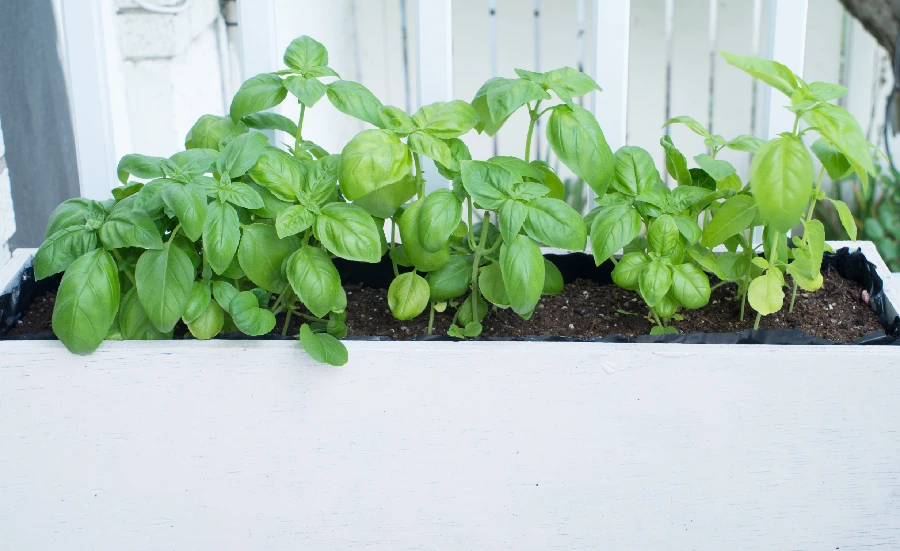
Growing basil indoors in containers is great, but planting directly outdoors gives your plants even more room to thrive. Basil grown in garden beds typically develops larger, bushier plants and produces abundant harvests. Here’s how you can set up your outdoor basil garden clearly and easily.
Choose the Right Garden Bed and Soil
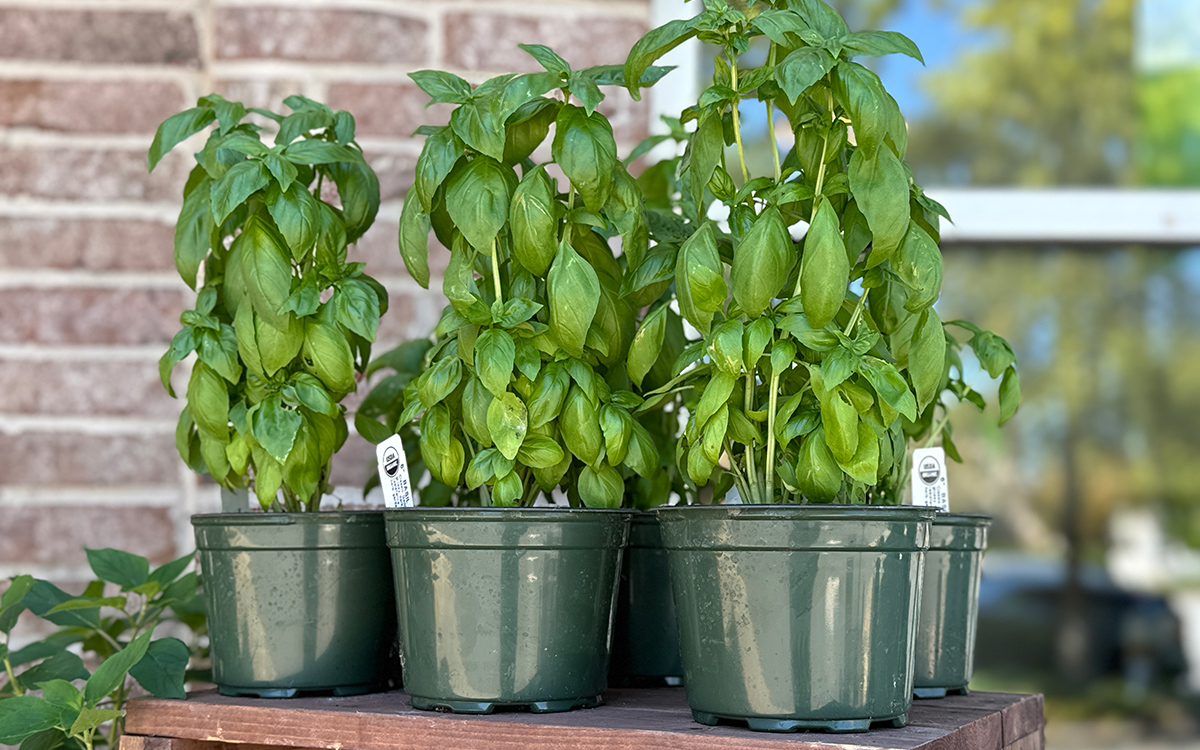
- Garden Bed Preparation
Select a spot in your garden with at least 6–8 hours of full sun each day.
- Ideal soil is rich, loose, and drains easily.
Basil grows best in raised garden beds or ground beds amended generously with compost or high-quality planting mix.
If you’re creating a new garden bed, loosen the soil to at least 8–10 inches deep and mix in organic matter such as compost or aged manure.
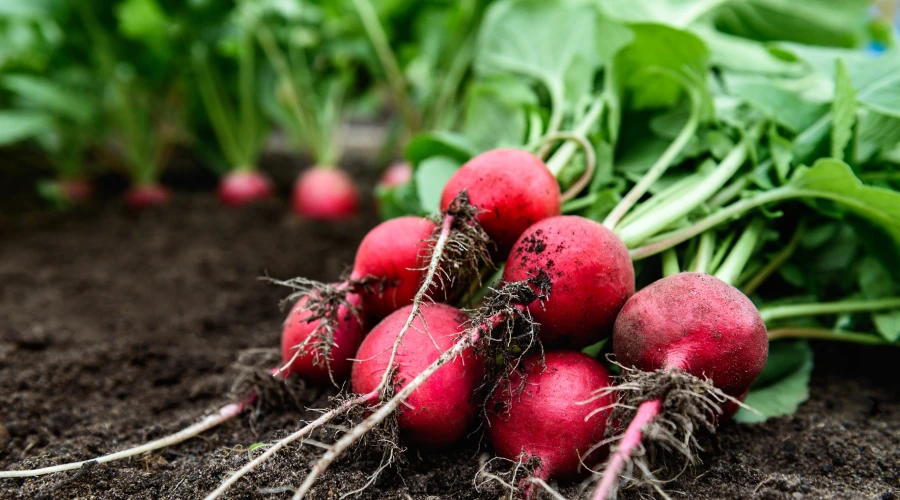
Important. Avoid planting basil in the exact same spot two years in a row. Also, avoid planting it where you’ve recently grown beets, radishes, daikon, or turnips, as these vegetables often deplete essential nutrients basil needs.
When to Plant Basil Outdoors
Timing matters! Basil is sensitive to cold and frost. Plant basil seedlings or transplant your indoor-grown seedlings outdoors when night temperatures consistently stay above 50°F (usually between mid-April and early June, depending on your region).
Soil temperature should ideally be at least 60–70°F for optimal growth.
How to Plant Basil Outdoors
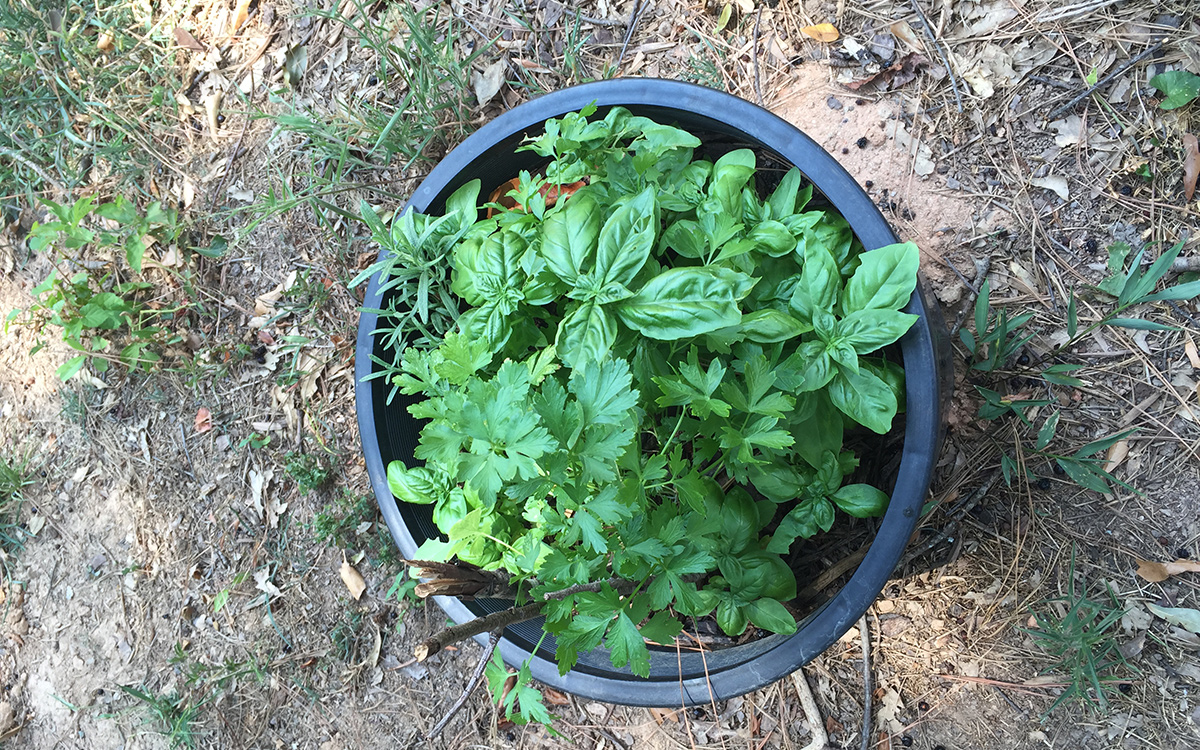
- Prepare the planting holes.
Dig small holes spaced about 10–12 inches apart. Proper spacing encourages healthy airflow and growth.
- Plant your basil seedlings.
Gently remove each seedling from its pot. Keep as much soil around the roots as possible to minimize transplant shock. Place seedlings carefully into holes and fill gently with soil around the roots.
- Water seedlings carefully.
Water immediately after transplanting. Be gentle—young basil roots are delicate. Keep the soil consistently moist for the first week to help your plants adjust smoothly.
- Protect from direct sun (optional).
For the first 2–3 days after transplanting, provide shade using garden fabric, cardboard tents, or plant covers. This reduces transplant stress and helps your basil plants acclimate to outdoor conditions.
What to Expect After Planting: Basil Growth Stages
After planting basil outdoors, here’s exactly what you’ll see happening week-by-week.
- Week 1 (7–10 days after planting). Seedlings recover from transplanting; you might see slight wilting at first. Keep watering gently.
- Week 2–3. Plants noticeably perk up and develop several new leaves. Your basil begins to grow faster, forming a fuller shape.
- Week 4–6. Basil reaches around 6–8 inches tall. Now’s the perfect time to start pinching off the top leaves to encourage a bushier, more productive plant.
- Throughout Summer. Regularly harvest leaves and pinch flower buds to maintain continuous leaf production.
Ongoing Outdoor Basil Care: Simple Yet Essential
Follow these simple rules to keep your outdoor basil flourishing:
- Watering
Water your basil deeply whenever the soil’s top inch feels dry to the touch. Water early morning for best absorption.
- Soil Care
Periodically loosen the surface soil to allow air and water to easily reach the roots.
- Pinching (Pruning)
Regularly pinch back basil tips above leaf nodes to encourage side branches and bushy growth. It increases your basil’s productivity significantly.
- Flower Removal
If your main goal is culinary use, pinch off flower spikes as soon as you notice them. This helps basil leaves stay tender, aromatic, and flavorful.
- Fertilizing (optional but helpful)
Occasionally fertilize your basil plants with a gentle organic fertilizer such as Espoma Organic Herb-tone or Dr. Earth Organic Herb Fertilizer every 4–6 weeks during the growing season.
Companion Plants for Basil
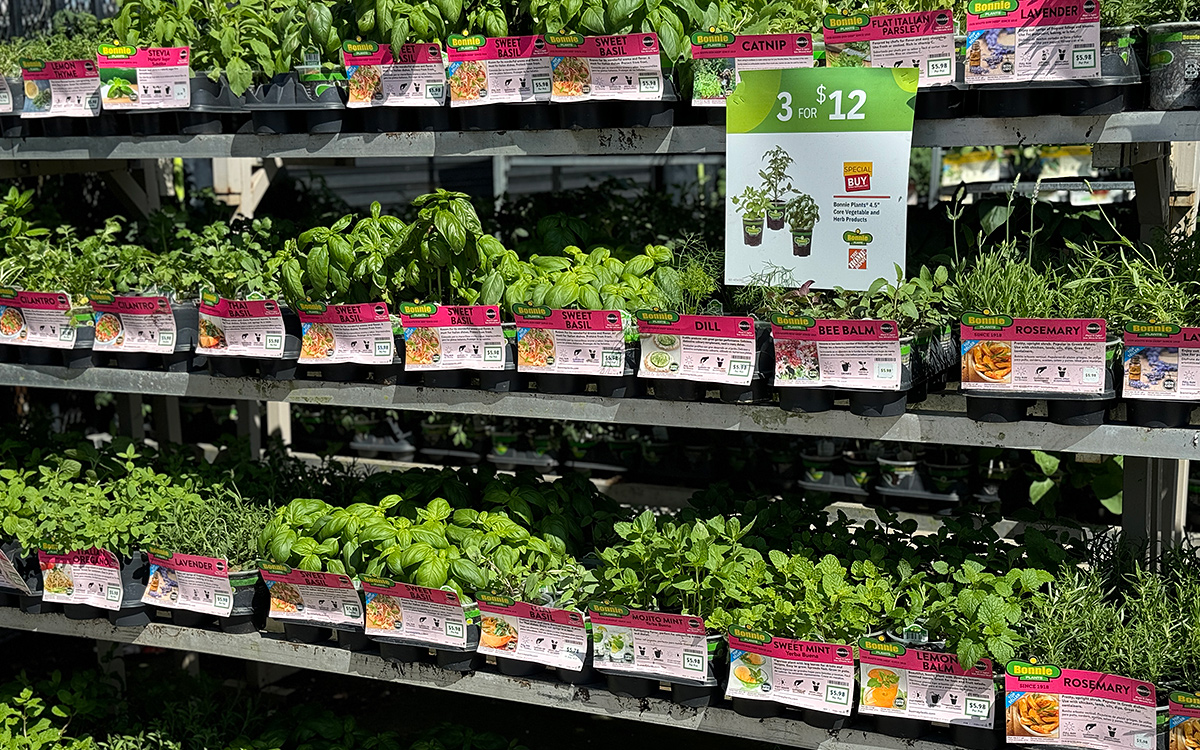
Basil is a great companion plant, releasing phytochemicals that benefit its neighbors. Here are some plants that thrive alongside basil.
- Eggplants
- Peppers
- Tomatoes
- Legumes (such as beans or peas)
- Carrots
- Cabbage
- Leafy greens (such as lettuce or spinach)
- Fruit trees
- Flowers
Planting basil near these crops can enhance their growth and protect them from pests.
Final Thoughts: Why You’ll Love Growing Basil at Home
Basil isn’t just a popular herb—it’s one of the most rewarding and versatile plants you can grow at home. You don’t need a large garden or special skills to get started, and you don’t even have to pull the plant out to harvest: just pinch a few leaves, and it keeps growing.
You can add fresh basil to everyday meals, blend it into sauces and dressings, or even brew it into cooling herbal drinks. Some varieties have citrusy notes, others are rich and spicy, and a seed mix lets you explore several flavors at once.
Beyond the kitchen, basil helps protect your garden. Its strong aroma naturally repels unwanted pests like aphids, thrips, and whiteflies, keeping your other plants safer. At the same time, basil flowers attract helpful pollinators—especially bees and hoverflies—which boost the health and productivity of your entire garden.
So if you’ve never grown herbs before, basil is the perfect place to start. It’s easy, fast-growing, beautiful, and endlessly useful. Give it a try—and enjoy the flavor, fragrance, and benefits it brings to your home and garden.