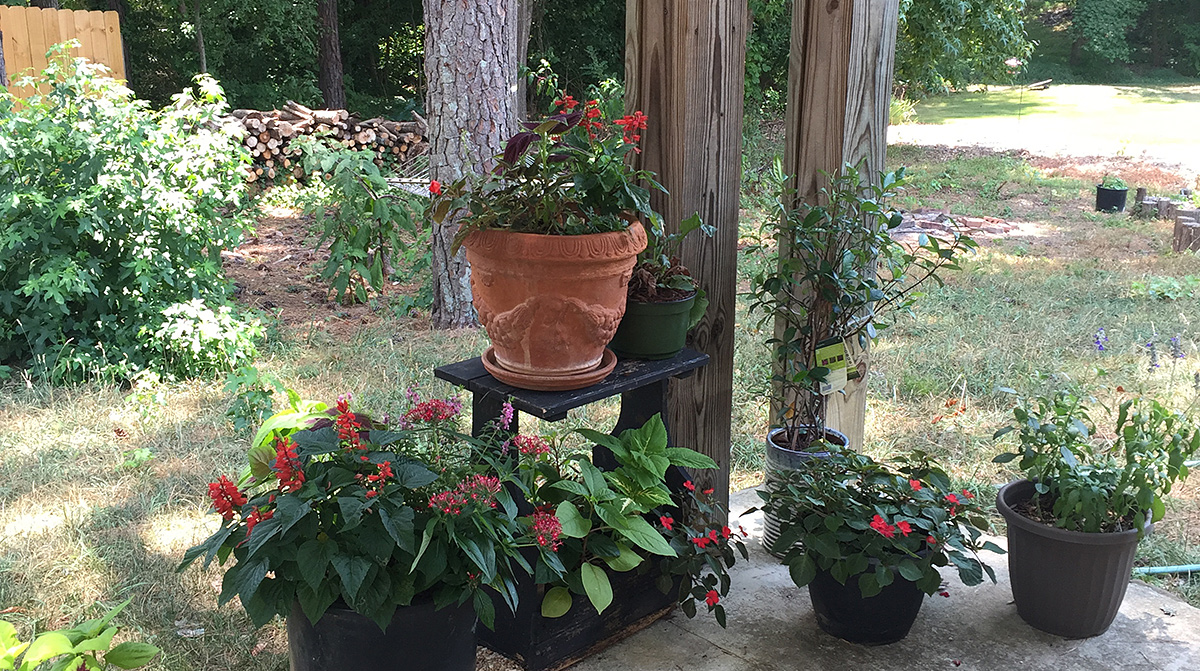
Plants can completely change the way a balcony feels. They add color and texture, soften empty corners, hide less attractive areas, and make even a small outdoor space feel more inviting.
One of the nicest things about growing plants is watching them change. A new leaf unfolds, another bud appears, flowers open and fade, and a plant that looked small in May may fill an entire planter by July. There is always something new to notice when you step outside.
The best plants for your balcony depend mostly on how much sun it gets and how much care you want to give them.
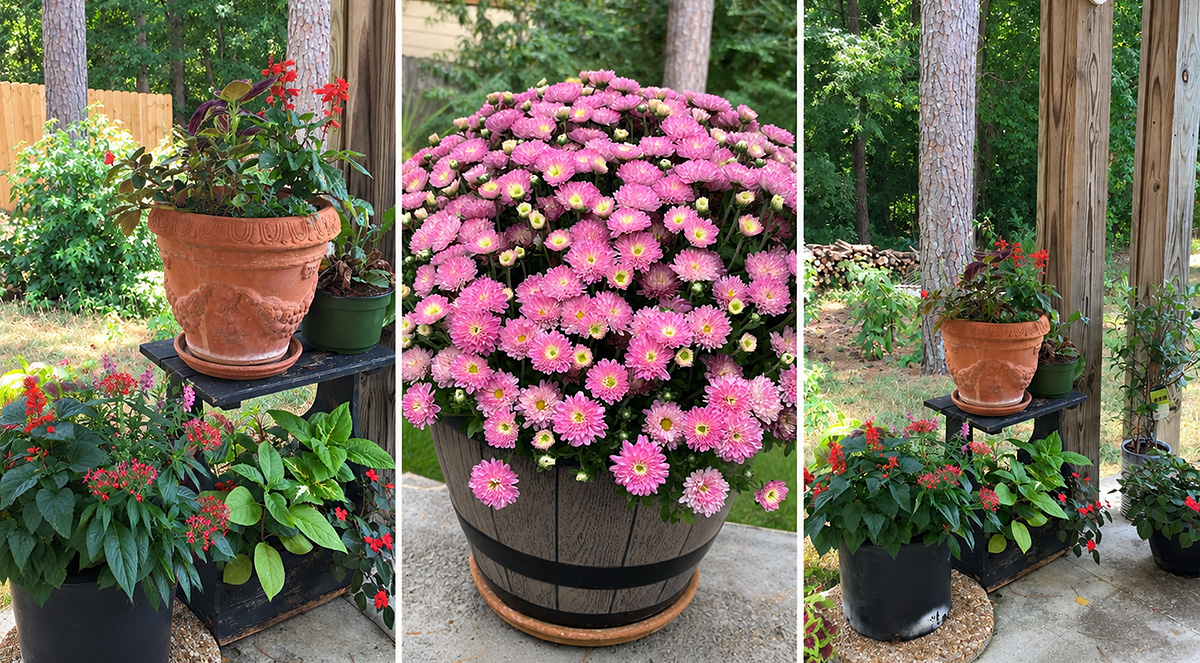
A sunny balcony gives you plenty of options, especially if you choose plants that tolerate direct sun and summer heat.
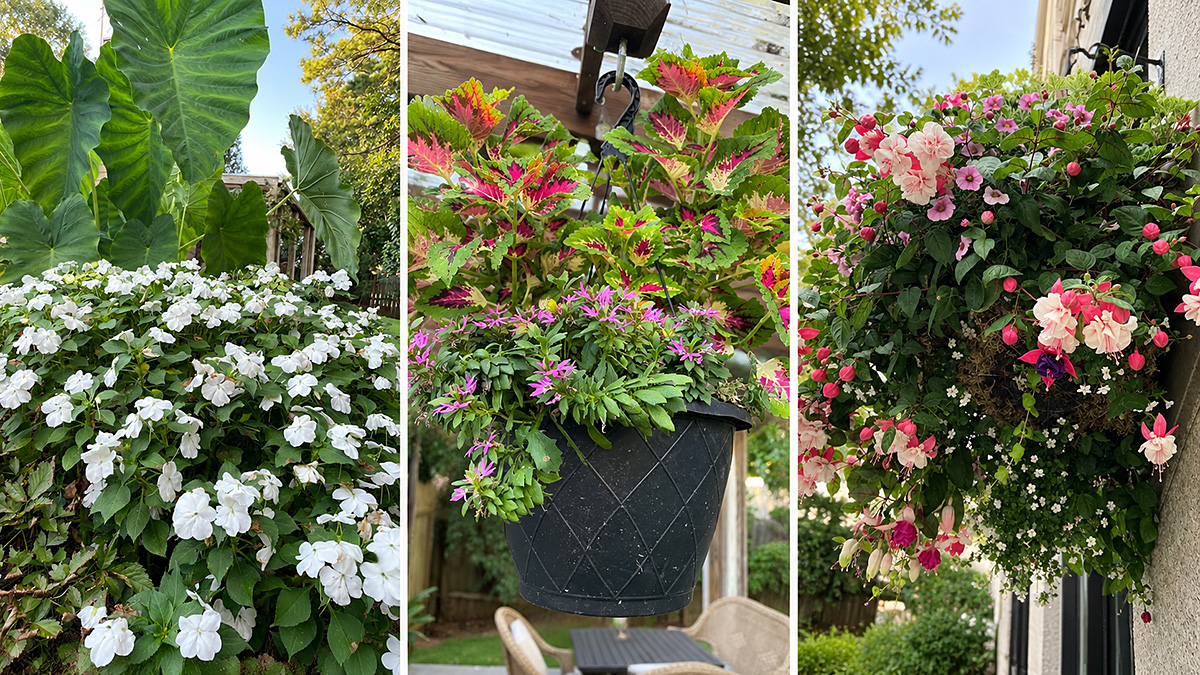
A shady or partially shaded balcony can still be full of color and texture if you choose plants that do well with less direct sunlight.
If you want to spend less time watering, deadheading, and fussing over your plants, start with varieties that are naturally easier to maintain in containers.
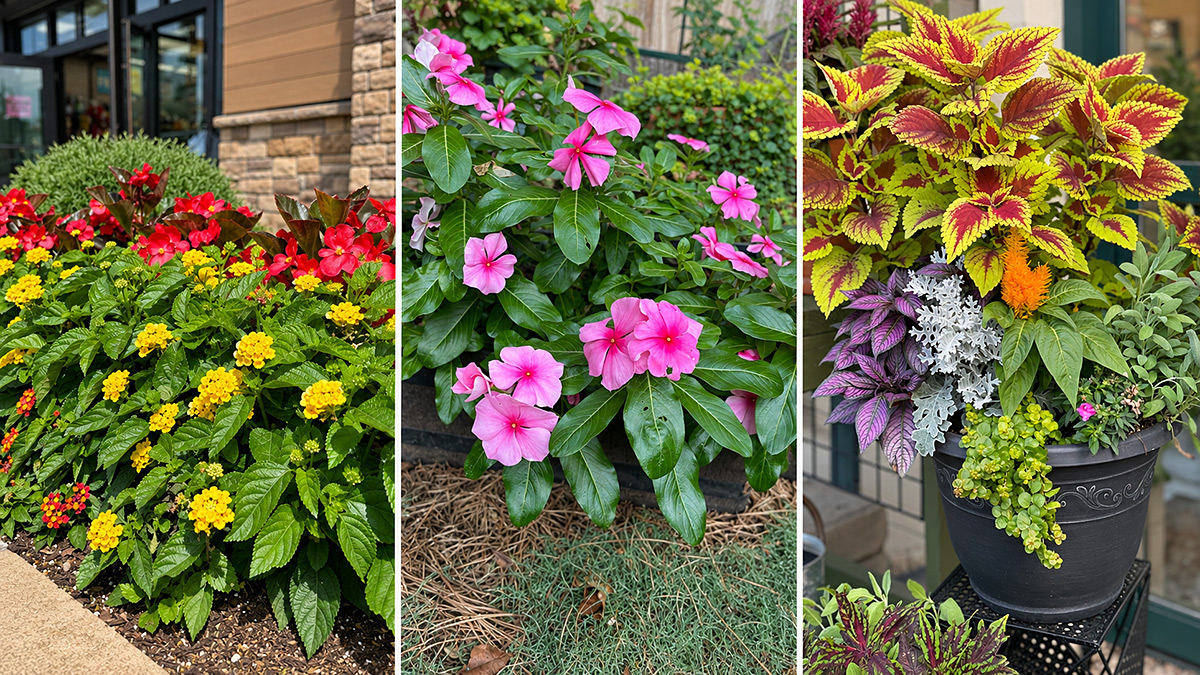
- vinca
- lantana
- portulaca
- wax begonias
- angelonia
Once you know which plants suit your balcony, you can decide where to put them, how to use a small space efficiently, and which containers will work best.
How Much Sun Does Each Part of Your Balcony Get?
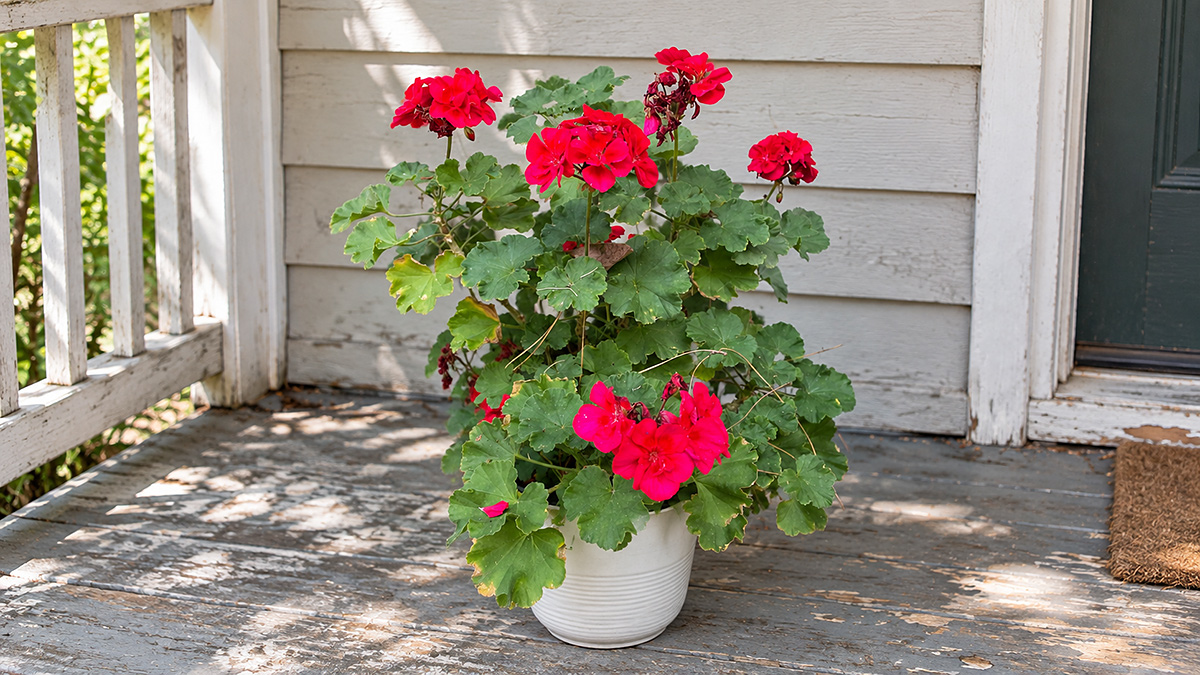
Most balconies do not fit neatly into one light category. The outer edge may get several hours of direct sun, while the area closer to the wall stays shaded most of the day. A small, completely open balcony may be sunny throughout, but on many balconies it makes more sense to check each planting spot separately.
Start With the Places Where Plants Will Actually Go
Look at the railing, corners, floor space, shelves, hanging planters, and the area along the wall.
You are trying to find out how many hours of direct sun each of these spots receives.
Check What Direct Sun Actually Looks Like
Direct sun means sunlight is hitting that exact spot.
A simple way to check is to look at the shadow. If your hand, railing, or planter casts a clear shadow, that area is in direct sun. If the space is bright but there is no direct beam of sunlight reaching it, do not count that time as direct sun.
Check the Balcony a Few Times During the Day
You do not need to watch it constantly. Look once in the morning, again around midday, and once or twice in the afternoon.
Pay attention to when the sun reaches each planting area and when it disappears behind the building, balcony above, nearby trees, or another obstruction.
Taking a few phone photos makes this easier because you can check the timestamps later.
Add Up the Hours of Direct Sun
Once you have a rough idea of how long each area stays in direct sun, classify that spot.
- Full sun means the spot gets 6 or more hours of direct sunlight a day.
- Part sun means it gets about 4 to 6 hours of direct sunlight.
- Part shade means it gets about 2 to 4 hours of direct sunlight.
- Shade means it gets less than 2 hours of direct sunlight.
Pay Attention to Afternoon Sun
Morning sun is gentler, while strong afternoon sun can heat the railing, floor, wall, and containers.
A spot that gets four hours of morning sun does not behave exactly like one that gets four hours of hot afternoon sun.
Make a Simple Light Map of Your Balcony
You may end up with several different zones.
For example.
- The railing may be full sun.
- One corner may be part sun.
- The wall may be part shade.
- The floor under a covered section may stay in shade.
That is useful information. You can use different parts of the same balcony for plants with different light requirements.
How to Arrange Plants on Your Balcony
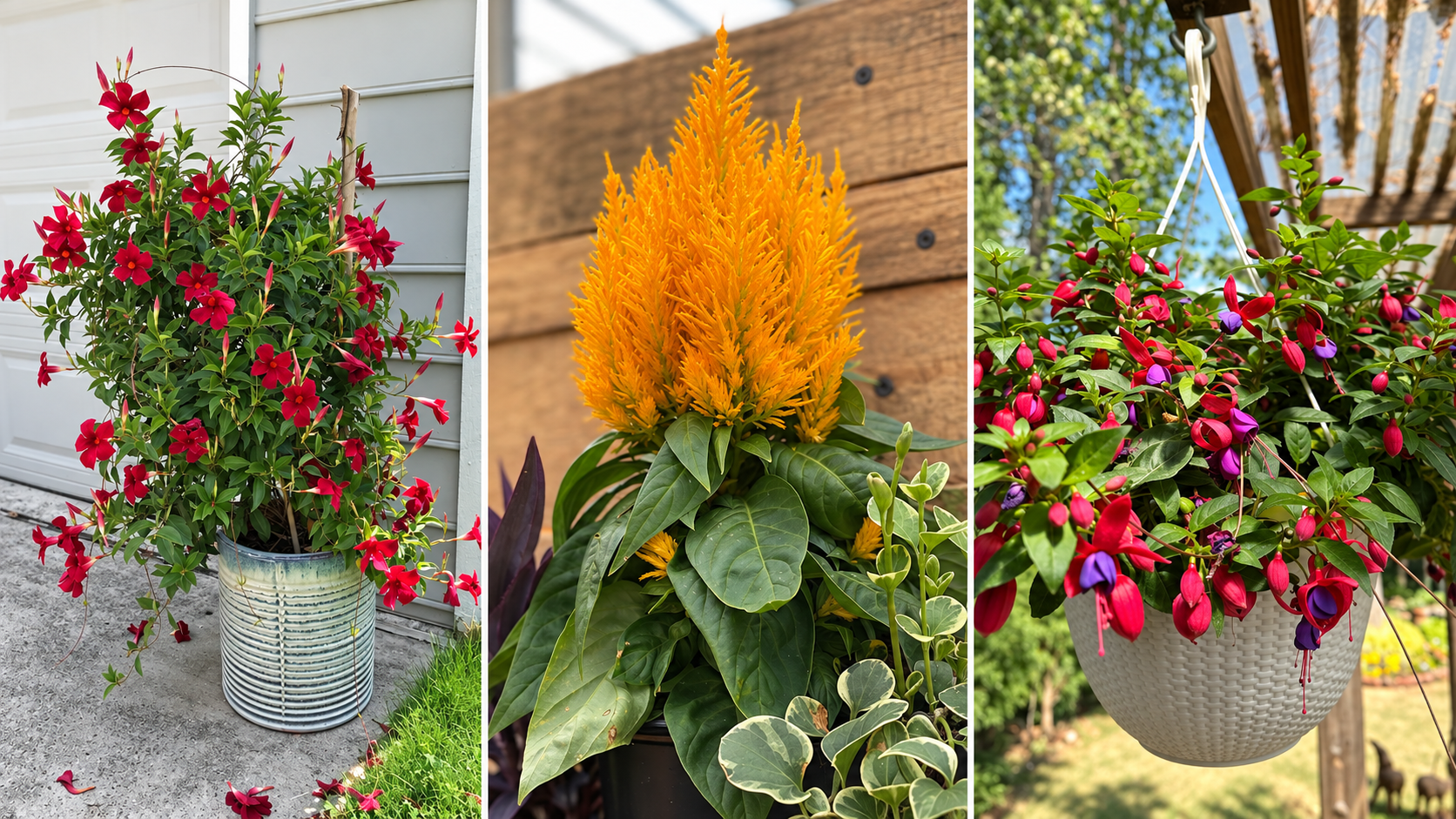
It is very easy to come home from the garden center with ten small pots and no idea where to put them. If you are starting with an empty balcony, build the arrangement in this order instead.
Start With One Large Plant
Choose one plant with enough height and volume to visually anchor the balcony.
For a sunny spot, this could be a canna. For a spot with less sun, a large coleus can work well.
Put it in a corner or beside a blank wall in a **large outdoor planter**. On a very small balcony, one large plant often looks better than several small pots sitting on the floor.
Add a Railing Planter
Next, use the railing.
Instead of filling it with several unrelated plants, keep the combination simple. Use one flowering plant throughout the box, or combine it with one trailing plant that can spill over the edge.
For example, you could pair geraniums with sweet potato vine in a sunny location or begonias with trailing bacopa where there is less direct sun.
If you have a long railing, you do not need to cover all of it. One or two well-filled boxes usually look more intentional than a row of small mismatched containers.
Add Plants at a Different Height
At this point you already have something tall and something along the railing. Add one more level if the balcony still looks flat.
A plant stand can hold two or three smaller plants vertically instead of spreading the pots around the floor.
If you have a secure overhead structure, a hanging basket can do the same job from above.
You do not necessarily need both.
Stop Before You Fill Every Empty Spot
Plants can become much larger over the growing season. A container that looks a little sparse in spring may be completely filled by midsummer.
Leave some open space and see how the plants grow before deciding whether anything else is actually missing.
What to Buy for This Setup
- Large Planter
Lightweight materials such as plastic, resin, or fiberglass are easier to move than concrete or heavy ceramic. Look for drainage holes and enough room for the roots to grow. The **Veradek Block Series Cube Planter** is one example of this type of outdoor planter.
- Railing Planter
Measure your railing before ordering one because mounting systems are not universal. Adjustable brackets give you more flexibility. The **Veradek Block Series Railing Planter** is one example of this style.
- Plant Stand
If the balcony is open to the weather, look for a stand made for outdoor or patio use. The **Bamworld 4-Tier Corner Plant Stand** is one example: it is narrow and fits into a corner. If the stand will regularly get wet, also check for a rust-resistant or powder-coated finish.
- A Few Simple Pots
Keeping the color or general shape similar makes it easier to mix different plants without the containers looking random. A set like the **KUGAZ 10/9/8-Inch Plant Pots** gives you several sizes together and includes drainage holes and saucers.
- Potting Mix
Use a potting mix made for containers rather than soil from the yard.
- Fertilizer
Check whether your potting mix already contains fertilizer before adding more. If it does, you may not need anything else right away.
[YOUR FERTILIZER LINK]
- Watering Can
For several outdoor containers, skip the tiny watering cans made mainly for houseplants. Something around **1.5 to 2 gallons** is more practical. A removable shower head lets you use a softer spray for smaller plants and a direct stream for larger pots.
A Few Care Tips That Make Balcony Gardening Easier
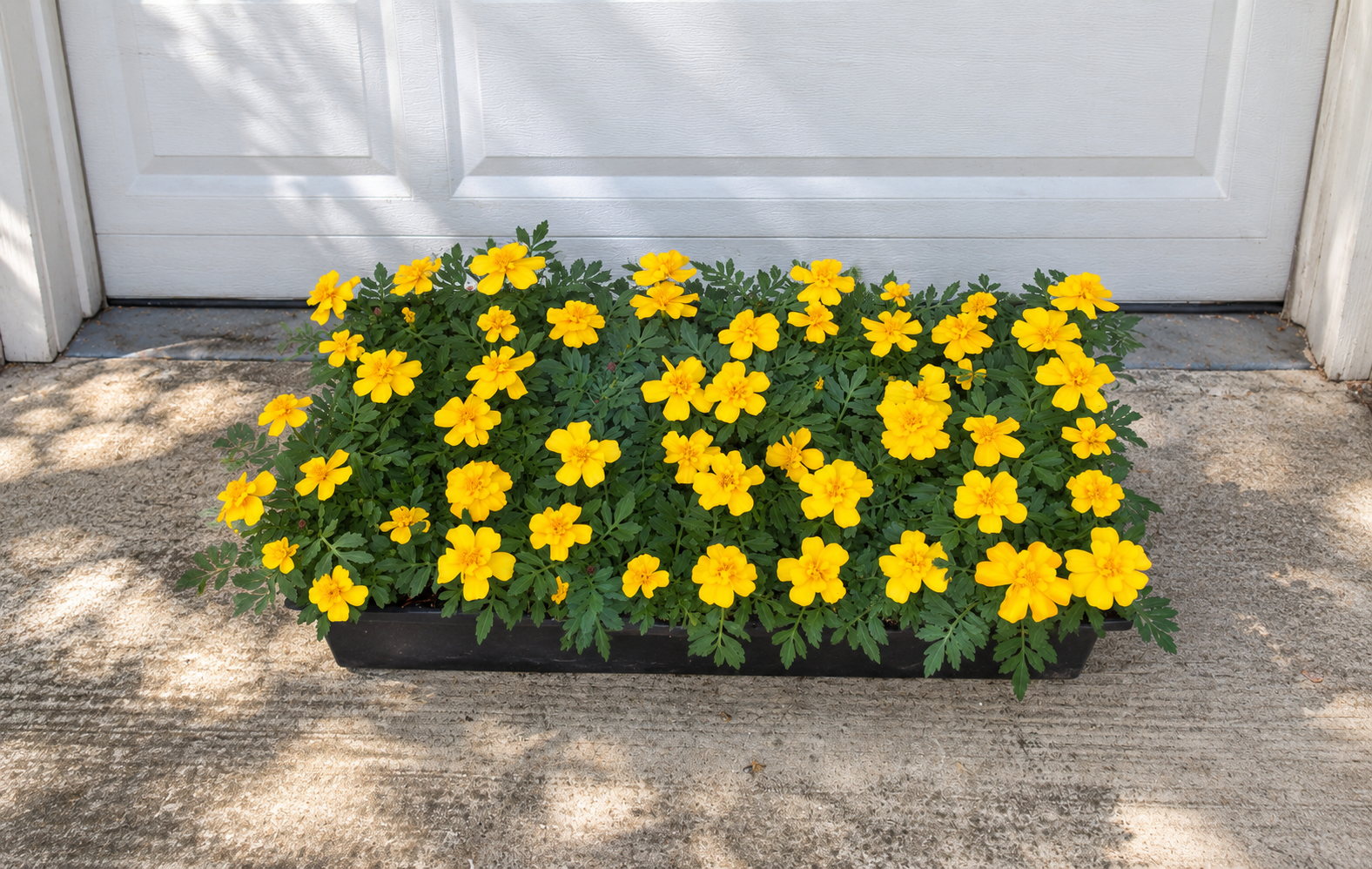
- Do not water every plant on the same schedule. Check the soil instead. Some containers will dry out much faster than others, especially during hot or windy weather.
- Group plants with similar needs. If several plants share one container, they should prefer roughly the same amount of water, light, and moisture. Otherwise, keeping one happy may mean overwatering another.
- Keep the plant tags. Or take a photo of each tag before throwing it away. It is much easier to look up care instructions later when you know the exact plant or variety.
- Do not assume more fertilizer means more flowers. Follow the directions on the product, and remember that some potting mixes already contain fertilizer.
- Look at the plants while you water. Check new growth and occasionally look under the leaves. Aphids, spider mites, whiteflies, webbing, sticky residue, or unusual spotting are easier to deal with when you notice them early.
- Watch what happens during very hot or windy weather. Containers can dry out surprisingly fast, and tall pots, railing planters, hanging baskets, and plant stands should stay secure when the weather turns rough.