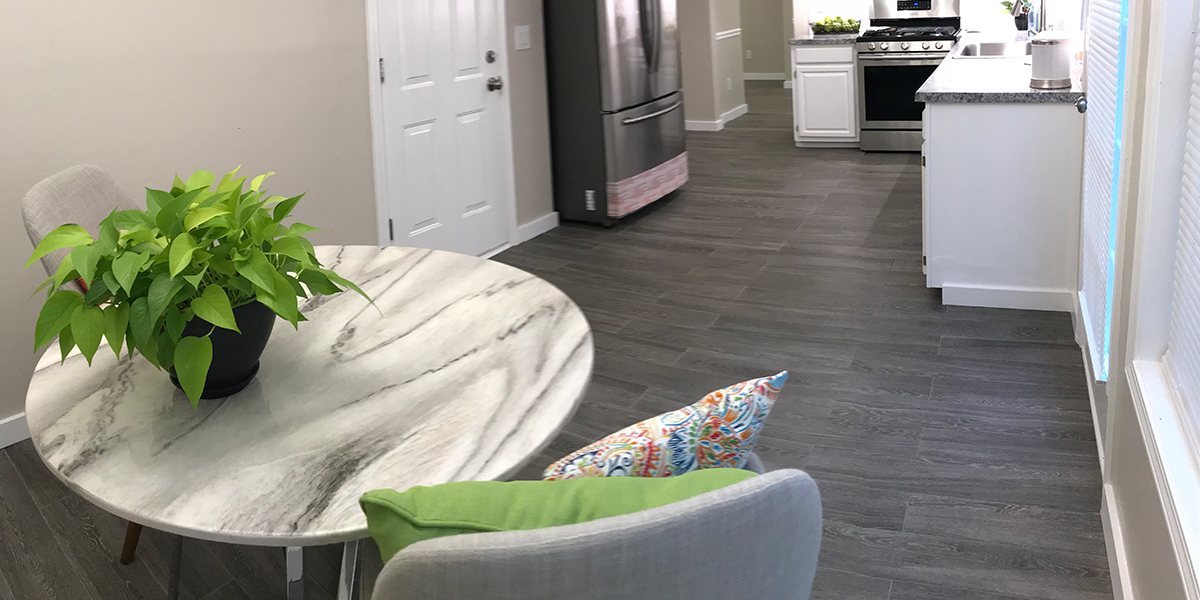
Light and medium wood-tone laminate is usually the safest choice if you want a room to feel larger, brighter, and easier to maintain.
For a more dramatic and elegant look, dark laminate can create a beautiful backdrop that makes furniture and architectural details stand out. The trade-off is that dust, pet hair, scratches, and worn areas in high-traffic spots are much easier to notice.
In many homes, the best balance is a natural medium wood tone with a realistic grain pattern and matte finish. These shades feel timeless, work with different design styles, and are more forgiving with everyday life than very light or very dark floors.
Our Top Laminate Color Picks
Selecting the Right Laminate Color
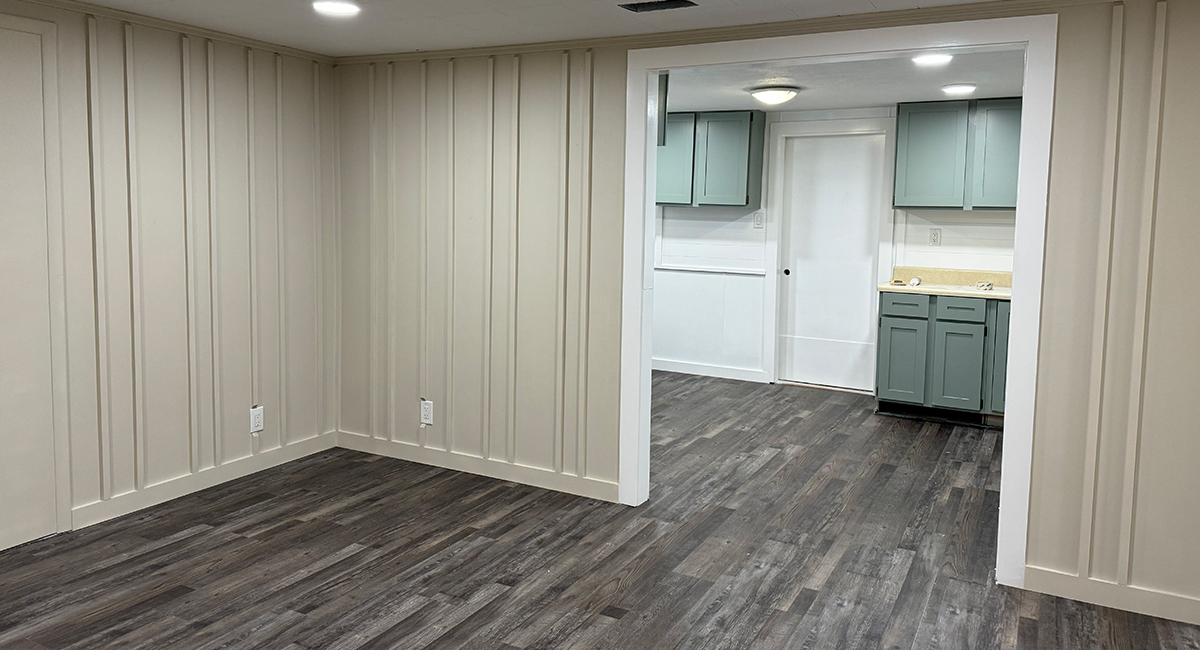
Choosing laminate color is not only about picking light or dark flooring. The most important step is choosing a shade with the right undertone and checking how it looks in your own home.
Avoid floors with strong gray, green, pink, or purple undertones if you want a natural, timeless wood look. These undertones may seem subtle on a small sample but can become much more noticeable when the flooring covers an entire room.
Warm, balanced wood tones such as oak, walnut, and natural beige-brown shades are usually easier to combine with different furniture styles and decor.
Always bring flooring samples home before making a final decision. Store lighting can make colors look cleaner and brighter than they appear in real spaces.
At Home, the Same Laminate May Look
- darker or lighter
- warmer or cooler
- more yellow, gray, or brown
- more textured or visually busy
Check Your Samples
- in natural daylight and evening lighting;
- next to your walls, cabinets, and furniture;
- across different areas of the room.
A small sample can hide details that become much more noticeable once the floor covers the entire space.
Dark Floor Pros and Cons
| Advantages | Disadvantages |
|---|---|
| Adds depth and a rich, dramatic look to a room. | Shows dust, pet hair, footprints, and small debris more easily. |
| Makes light furniture, cabinets, and decor stand out. | Scratches, dents, and worn areas are more noticeable, especially in high-traffic areas. |
| Works well in large rooms with plenty of natural light. | Can make small or poorly lit rooms feel darker and visually smaller. |
| Creates a warm, elegant look when paired with the right wall colors and materials. | Requires more attention when choosing wall colors, furniture, and lighting because the floor becomes a strong visual element. |
If you wish, you can emphasize the positives and hide the drawbacks using rugs or directing attention to other room elements.
Which Colors Work Best with Dark Laminate?
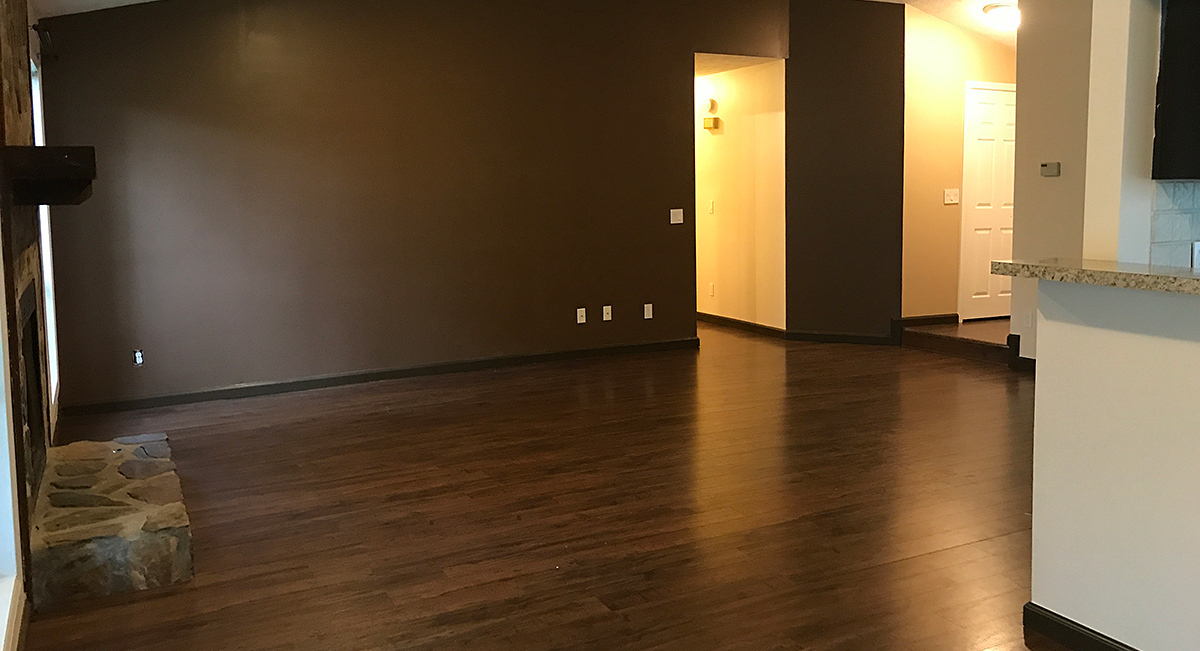
Dark floors pair beautifully with a variety of colors and shades. The following are some of the most effective combinations.
- coastal palette: azure, blue, white, sandy, red
- rich tones: gold, bronze, chocolate
- cool spectrum: graphite, silver, beige
- natural shades: khaki, vanilla, warm browns
One contrast you should avoid is bright white walls with very dark laminate, as it can be harsh on the eyes. Instead, choose warm beige or ecru. Adding a deep, rich color to one or two walls can also create a stunning effect. A well-placed spotlight can highlight specific details, adding depth and interest to the room.
Light Floor Pros and Cons
| Advantages | Disadvantages |
|---|---|
| Makes small rooms feel larger and brighter. | Very light floors can look washed out if combined with pale walls and furniture. |
| Creates a neutral background that works well with different furniture styles and decor changes. | Some light shades with strong gray, yellow, or cool undertones can make a room feel less natural. |
| Hides dust, pet hair, and small scratches better than very dark floors. | Dirt in deep textures, grooves, or grout lines can still become noticeable. |
| Reflects natural light and helps create an airy, open feeling. | High-contrast stains or spills may stand out more on very pale surfaces. |
When choosing light laminate flooring, look for less bulky and dark furniture. Delicate, airy designs will look best. Large, heavy furniture can appear even more massive on light floors. A good rule of thumb is to select at least two shades of lighter (or darker) flooring than most of your furniture.
Which Colors Pair Well with Light Laminate?
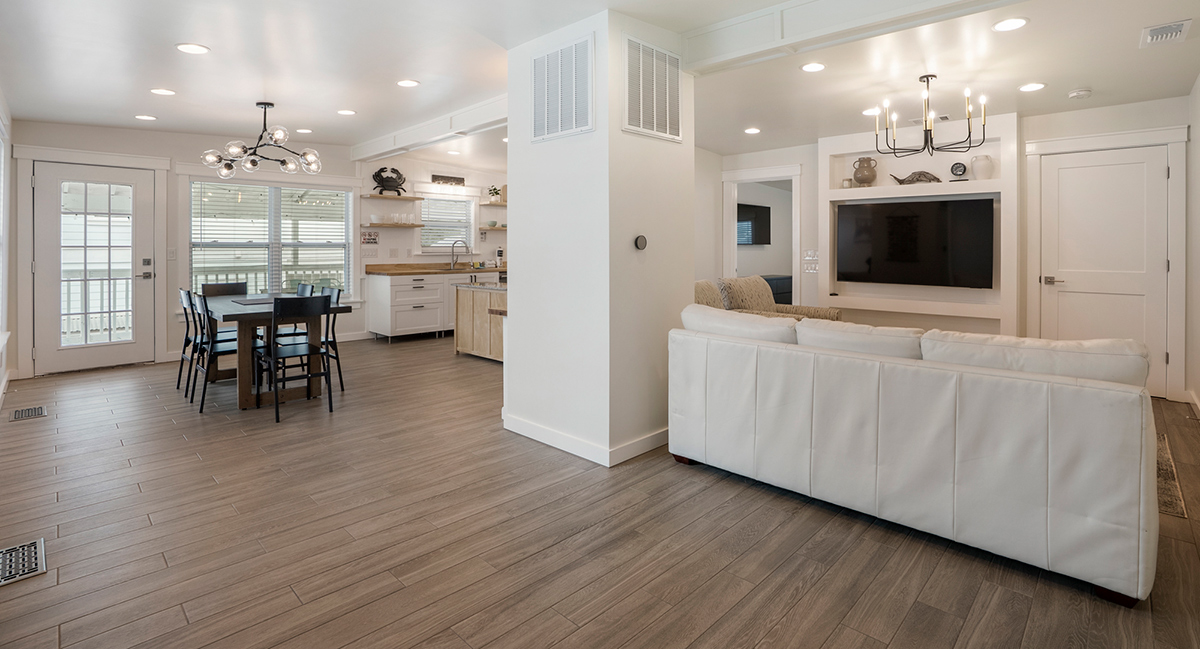
Light floors work beautifully with both light and dark walls. Light walls are ideal for poorly lit interiors, as they enhance and brighten the space by reflecting light. On the other hand, combining light floors with dark walls creates a striking contrast and adds a strong character to the room.
Light floors also pair well with vibrant, bold colors. For instance, the light flooring can soften a rich orange, creating a balanced look.
Is There a Universal Choice Between Dark and Light Flooring?
There is no single laminate color that is right for every home. The best choice depends on your daily routine, existing interior, and how you want your space to age over time.
Before Making Your Final Decision, Consider These Factors
- Your lifestyle. Pets, children, and high-traffic areas should influence your choice. A beautiful floor should also be practical for everyday use.
- Your existing finishes. Look at your cabinets, doors, countertops, and furniture. The goal is not to match everything exactly, but to create a balanced color palette with compatible undertones.
- Your long-term plans. Flooring is one of the most permanent design choices in a home. Choose a shade that will work even if you update furniture or decor later.
- The overall feeling you want. Decide whether you want your home to feel calm and natural, warm and cozy, or bold and dramatic.
- The actual flooring sample. Never choose a color based only on online photos or showroom lighting. Test samples in your own space before buying.
Current trends can be helpful for inspiration, but they should not be the main reason you choose a floor. Natural wood tones and realistic finishes remain popular because they are easier to combine with changing interior styles.
Which Floors Are Easier to Keep Clean? Dark or Light?
Light floors have a clear advantage here. They show less dirt than dark wood floors. But if you prefer dark floors, consider a matte finish. It effectively hides dirt, scratches, dents, and imperfections.
If you’re choosing between a matte or glossy surface, our High Gloss vs. Matte Laminate Flooring guide explains how different finishes affect durability, light reflection, cleaning, and safety — helping you pick the perfect look for your home.
If You Have Pets, Which Floor Is Better? Dark or Light?
Pet hair, dirt, scratches, and minor dents are less visible on light floors. Therefore, if you do not want to clean your floors constantly, look for light wood-tone laminate, or, if possible, go with gray.
If you’re still deciding not just on color but on the type of flooring itself, our guide on choosing the right wood flooring for your home explains which options are most durable, pet-friendly, and suitable for different rooms.
Final Thoughts
Before making your final choice, remember that flooring can look very different once it covers the entire room. A pattern that looks interesting on a small sample may become too busy across a large area.
For example, laminate with many knots, strong grain variations, or high contrast between planks can create a more “rustic” look than expected and may feel visually cluttered in a larger space. On the other hand, very subtle patterns or planks without a defined edge can sometimes lose their character and look flat once installed throughout the room.
The best choice is usually a balanced design: a natural wood tone, realistic variation, and a texture that looks good both up close and across the entire floor.