

Gardening for beginners is exciting because every garden is different. That is part of what makes it rewarding. There is no single plan that works for everyone. Your space, soil, schedule, and local weather shape how your garden grows.
This guide will not turn you into an expert overnight. It focuses on what matters most at the start, so you can avoid common mistakes and build a garden that works for you. Whether you are planting vegetables, herbs, or both, a bit of planning now will save time, money, and frustration later.
- Know Your Soil Before You Plant
- Plan Before You Plant
- If You Have Pets, Check Plant Safety First
- Be Honest About Your Time
- Make Gardening Something You Look Forward To
Know Your Soil Before You Plant
Healthy plants start with healthy soil, but not all soil is the same. Even within one backyard, some areas might be rich and loamy while others are sandy, compacted, or heavy with clay. That’s why some plants thrive while others struggle, even just a few feet apart.
Before you buy anything, take time to get to know your soil. Its texture, drainage, and pH will directly affect which plants will do well and how much work you’ll need to do to support them. For example, you might be able to grow herbs and tomatoes right in the ground, but need raised beds or containers for blueberries or lavender.
If you’re not sure what kind of soil you have, don’t guess. We’ve put together a simple guide on how to test your soil at home—check it out here before planting anything.
Knowing your soil helps you avoid spending money on plants that are not a good match. If your soil is not ideal, you can improve it with compost or amendments, or use raised beds or pots with your own soil mix.
Plan Before You Plant

It is tempting to start digging right away, but a simple plan will save you frustration later. Many beginners underestimate how much layout matters until it becomes a problem. You may start with one or two beds, but if you enjoy gardening, you will likely want to expand. Poor placement early on can make it difficult to mow, set up irrigation, or move around the garden comfortably.
Start By Asking Yourself a Few Questions
- What do you want to grow: vegetables, herbs, berries, or fruit trees?
- Are you planting directly in the ground, or using raised beds or containers?
- How much space do you realistically have time to care for?
Once you know your goals, sketch a rough layout. Leave enough room between beds for a wheelbarrow or garden cart. Make sure taller plants won’t block sun from shorter ones, and avoid cramming too many things into a small space.
How Big Will Your Plants Get?

Here’s a quick cheat sheet for plant height and sun needs to help you plan smarter.
| Plant Type | Height Range | Light Preference |
|---|---|---|
| Fruit trees (apple, peach, fig) | 8–20+ ft | Full sun |
| Berry bushes (blueberries, blackberries, raspberries) | 3–6 ft | Full sun to partial shade |
| Tomatoes | 3–6 ft (depends on variety) | Full sun |
| Peppers (bell, jalapeño) | 1–3 ft | Full sun |
| Zucchini & cucumbers | 1–2 ft vines + sprawl | Full sun |
| Leafy greens (lettuce, spinach, kale) | 6–12 in | Partial shade to sun |
| Carrots, radishes, beets | Underground crops, tops 6–12 in | Full sun |
| Herbs (basil, parsley, thyme, rosemary) | 6 in – 2 ft | Most prefer full sun |
Tip. Place taller crops like tomatoes, sunflowers, or fruit trees on the north or east side of the garden so they don’t shade everything else.
Choosing the Right Spot
Look for a spot that gets at least 6 hours of direct sunlight per day (unless you’re planting shade-tolerant crops like leafy greens or mint). But it’s not just about the sun—think about wind, drainage, and slope too.
- Too windy? Consider planting a hedge, building a windbreak, or placing your beds near a fence or wall for shelter.
- Too much shade? Prune nearby trees if possible, or focus on plants that can handle low light like spinach, lettuce, or parsley.
- Blazing hot all day? Use mulch to retain moisture, install drip irrigation, and consider using shade cloth in summer.
- On a slope? Terracing or building raised beds across the slope helps prevent soil erosion and water runoff.
- Water tends to pool? Raised beds or mounded rows can help roots stay dry. You may also need to improve drainage by adding compost or creating swales.
If You Have Pets, Check Plant Safety First
Most edible plants are safe for people, but not always for pets. If your dog or cat likes to chew on leaves or dig in the garden, check whether any plants you grow or plan to add are toxic to animals.
Even in a food garden, there are a few potential risks.
- Some herbs, such as chives and garlic, can harm dogs and cats in large amounts.
- Onions and leeks, especially raw, are toxic to pets.
- Compost piles or plant scraps can attract curious animals, and not everything in them is safe.
If you add ornamental plants or flowers, be careful. Common landscaping plants like oleander, azaleas, and daffodils are highly toxic if eaten. Lilies are especially dangerous for cats. Even a small amount can cause kidney failure.
Tip. The ASPCA maintains a searchable list of toxic and non-toxic plants for pets. It’s worth bookmarking if you garden with pets around.
In short. Your veggie patch is probably fine, but if your pet is a digger or plant-nibbler, take a few minutes to double-check before planting something new.
Be Honest About Your Time
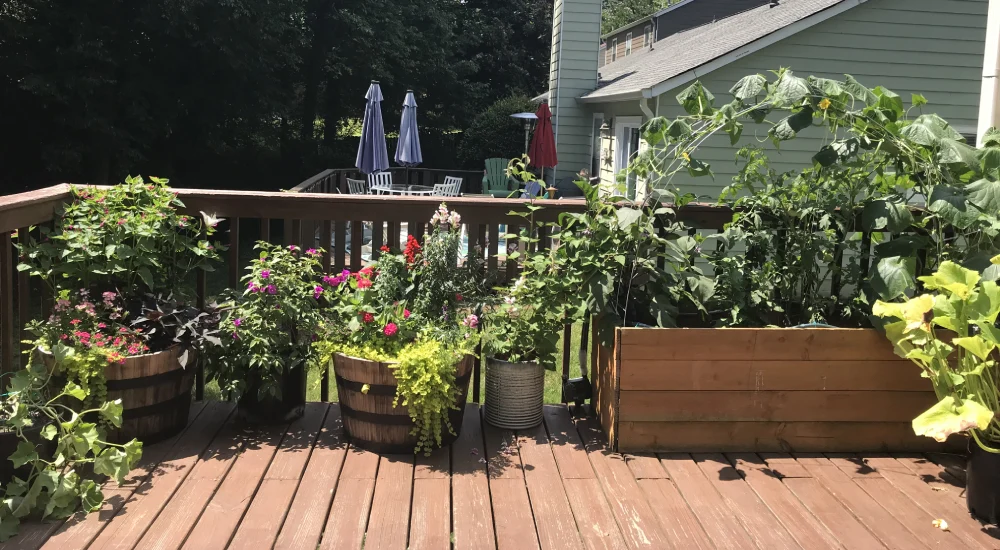
Gardening does not have to take hours each day, but it does require consistency. Before you plant, consider how much time you can realistically commit each week.
Here’s a general idea of what you’ll need.
| Time Available | What You Can Handle |
|---|---|
| 1–2 hours/week | A few raised beds, a couple of containers, or a small herb garden. Stick to low-maintenance crops like bush beans, cherry tomatoes, zucchini, lettuce, or hardy herbs like thyme and rosemary. |
| 3–5 hours/week | Enough to grow a fuller mix: tomatoes, cucumbers, peppers, root veggies, strawberries, and a few herbs. You’ll have time to water regularly, pull weeds, and keep things fertilized. |
| 5+ hours/week | You can manage a larger garden, experiment with succession planting, and grow fussier crops like broccoli, melons, or brussels sprouts. You might even have time to preserve your harvest. |
Tip. Mulching your beds reduces weeds and helps the soil hold moisture longer, which saves time each week.
Start small, and don’t overplant. It’s way more satisfying to manage a tiny, healthy garden than to watch a big one get out of control.
Make Gardening Something You Look Forward To

The best gardens are not always the most productive. They are the ones you enjoy spending time in. Gardening is not about speed or perfection. It is about slowing down, noticing small changes, and getting your hands a little dirty. It can feel like a kind of therapy without screens or pressure.
You do not need much to start. A basic hand trowel, a pair of gloves, and a way to water your plants are enough. As you go, you will learn what makes the work easier, whether that is a kneeling pad, sharp pruners, or a hose that does not kink.
If it makes you happy, make the space inviting. A few string lights, a bench, or solar lanterns can turn a corner of your yard into a place where you want to sit with a cup of coffee and relax. Time spent in the garden matters just as much as planting or harvesting.
Tip. Do not worry if things go wrong. Every gardener has lost a tomato plant, forgotten to water, or planted at the wrong time. That is part of learning and part of the process.

